Gas Line Repair & Inspection in Van Cortlandt Village, Bronx
Professional gas piping repairs, code-compliant pressure testing, appliance hookups, and NYC Local Law 152 periodic gas inspections across residential and multi-family properties in Van Cortlandt Village.
Professional Gas Piping Repair & Assessment
Natural gas powers vital building systems across Van Cortlandt Village, including central heating boilers, domestic water heaters, laundry dryers, and kitchen ranges. Because natural gas is highly combustible and pressurized, any repair, alteration, or inspection must be conducted with rigorous technical discipline and full compliance with NYC Fuel Gas Codes.
When non-emergency gas piping issues arise, our specialized gas line repair Van Cortlandt Village Bronx services address:
- Corroded Black Iron Piping: Surface rust and atmospheric moisture in unconditioned cellars can thin pipe walls over decades, requiring section replacement.
- Joint & Fitting Leaks: Thread sealant degradation on older gas elbows, tees, and unions repaired with code-approved pipe compounds.
- Gas Shut-Off Valve Replacement: Replacing seized or leaking quarter-turn ball valves and antique lubricated plug cocks.
- Appliance Hookups: Safe, professional gas line installation for stove Van Cortlandt Village Bronx appliances, boilers, and water heaters with dedicated shut-offs and approved flexible connectors.
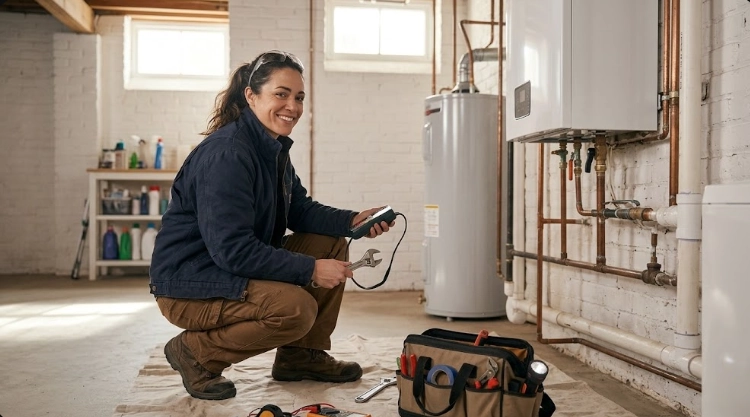
NYC Local Law 152 Periodic Gas Piping Inspections
Understanding New York City's regulatory framework for building gas safety, testing, and periodic compliance.
Local Law 152 Requirements
Under NYC Local Law 152 (LL152), all covered buildings—which includes multi-family residential structures and commercial properties, but excludes single- and two-family private homes classified in occupancy group R-3—must undergo a mandatory gas piping inspection Van Cortlandt Village Bronx once every four years.
The inspection covers exposed gas lines from the building point of entry up to individual tenant spaces, checking for illegal connections, severe corrosion, unapproved flexible lines, and combustible gas levels. Inspections must be conducted by or under the supervision of an NYC-Licensed Master Plumber.
Rigorous Pressure Testing Standards
Whenever gas piping is repaired or modified, or when restoring gas utility service after a shut-off, the Department of Buildings mandates a pressure test. Piping must be isolated from appliances and pressurized with an air pump to a minimum test pressure (typically 3 to 15 PSI depending on pipe size and operating pressure) while being monitored by an inspector.
Our certified technicians ensure all piping repairs withstand code-mandated pressure testing without pressure drops before utility meters are turned on.
Gas Piping for Boilers and Water Heaters
Gas piping reliability directly affects your heating equipment. A boiler starving for fuel due to an undersized gas supply pipe or restricted regulator will experience burner flutter, carbon buildup, and repeated safety lockouts.
During any heating service—such as central boiler repair in Van Cortlandt Village or major boiler replacement—we inspect the gas train, including sediment traps (dirt legs), gas solenoids, manual safety valves, and draft controls. We also ensure domestic water heater repair connections meet strict safety clearances.
What a Routine Inspection Can & Cannot Establish
A visual and electronic gas inspection is a vital safety tool, but property owners should understand its specific scope:
- What It Establishes: Verifies that exposed piping is free of active combustible gas leaks, that shut-off valves function properly, that pipe hangers support the lines, and that equipment adheres to current NYC code standards.
- What It Cannot Guarantee: A visual inspection cannot evaluate piping concealed inside structural masonry walls or beneath concrete floor slabs without specialized diagnostic isolation testing.
- Ongoing Diligence: Building owners should never postpone addressing odd odors or whistling sounds near gas equipment.
Frequently Asked Questions About Gas Line Repair
Authoritative answers on gas piping regulations, safety protocols, and installation practices in the Bronx.
What should I do immediately if I smell gas in my building?
If you smell natural gas or rotten eggs, leave the building immediately on foot. Do not turn light switches on or off, do not use elevators or phones indoors, and do not light any flames. Once at a safe distance outside, call 911 or Con Edison at 1-800-75-CONED immediately. Do not attempt to locate or repair the gas leak yourself.
What does NYC Local Law 152 require for building gas piping?
NYC Local Law 152 requires periodic inspection of exposed gas piping systems in covered buildings (all buildings except single- or two-family homes classified as R-3 occupancy) once every four years by a qualified professional under the supervision of a Licensed Master Plumber. Inspection reports must be filed with the NYC Department of Buildings.
Can a licensed plumber run a new gas line installation for a stove?
Yes. Installing or relocating a gas line for a kitchen range requires precise pipe sizing, black steel piping or approved CSST, a dedicated manual shut-off valve within six feet of the appliance, pressure testing, and adherence to the NYC Fuel Gas Code.
How is a suspected gas piping leak professionally tested?
Non-emergency testing involves isolating piping sections and applying a regulated pressure test using an air pump and pressure gauge (manometer) to verify that pressure holds without dropping over a prescribed testing duration. Calibrated electronic combustible gas detectors and approved non-corrosive leak detection solutions are used to pinpoint micro-leaks at threaded joints.
Who is authorized to perform gas piping repairs in New York City?
In New York City, all gas piping alterations, repairs, and installations must be performed by or under the direct supervision of an NYC-Licensed Master Plumber (LMP) in accordance with Department of Buildings regulations and utility safety mandates.